Home Safety Audit
Review alarm coverage, escape routes, electrical hazards, furniture anchors, and dryer exhaust with a clear follow-up record.
By Dan Gold · Sources reviewed
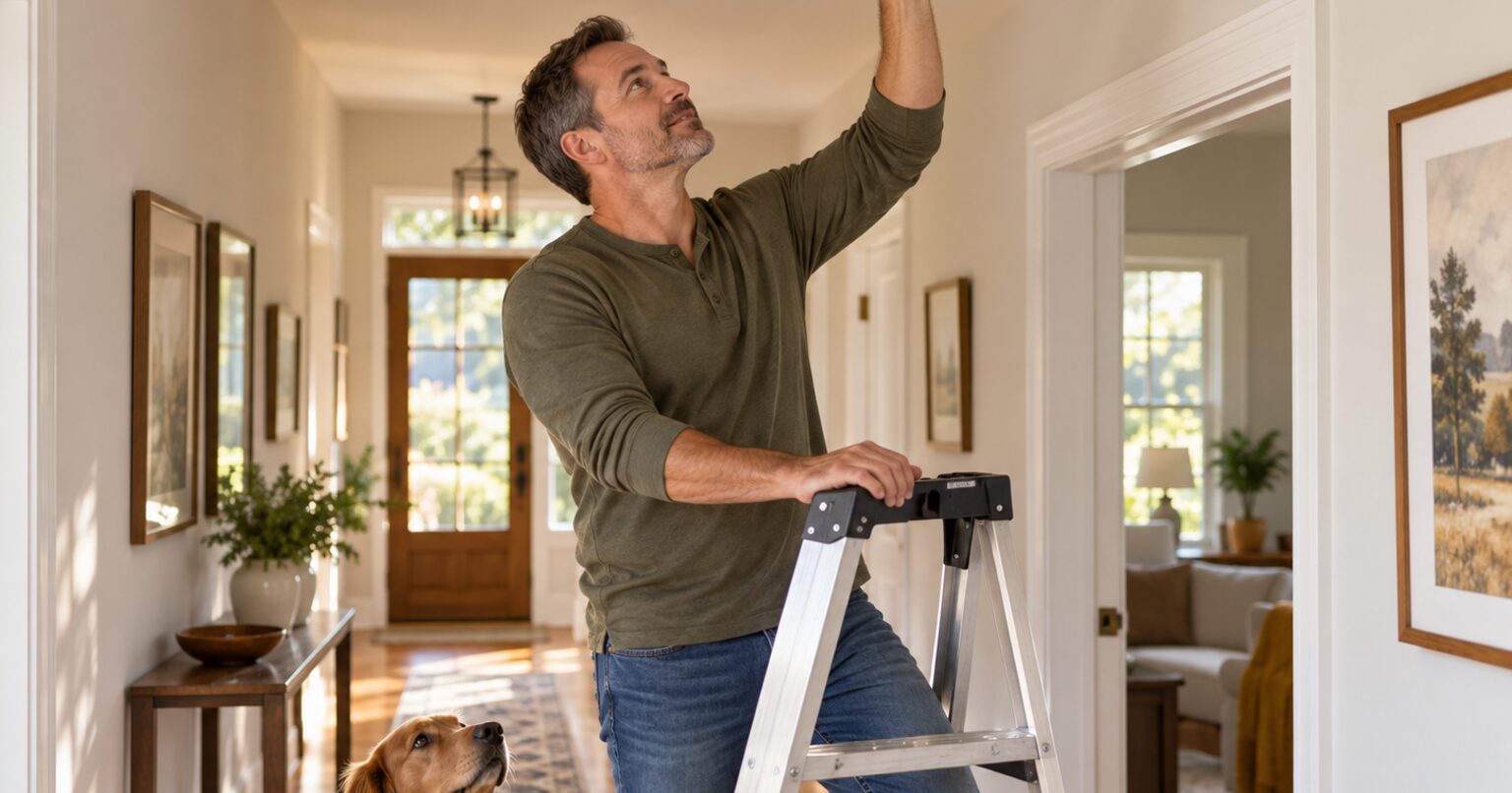
Walk through the home with a household member, an alarm manual, and a repair log. This checklist helps find issues; a completion score does not certify a home as safe. Start with the safety assessment tool if you want to organize the review.
Work through the checklist
- Smoke alarms: Check inside bedrooms, outside sleeping areas and on each level. Perform the manufacturer’s button test and record manufacture/replacement dates.
- Extinguishers: Inspect accessibility, label, pin/seal, body and the specified readiness indicator. Follow the model’s service or replacement schedule.
- CO alarms: Test as the manual directs and check its end-of-life date. Do not assume every CO alarm has a seven-year life.
- Escape plan: Identify two ways out where possible, keep routes clear, choose an outdoor meeting point and practice with everyone’s mobility needs in mind.
- Electrical cords: Stop using damaged leads; remove cords under rugs and avoid overloaded or chained strips.
- GFCI protection: Verify the required wet-area protection and button-test it with a lamp. Ask an electrician about failures or uncertain coverage.
- Tip-over protection: Anchor dressers, shelving and TVs using suitable kits and the correct wall fasteners. Do not limit anchoring to tall narrow furniture.
- Locks and exits: Check latches while ensuring occupants can escape without being trapped by added security bars or locks.
- Emergency access: View the house number from the street in daylight and darkness; keep it legible and access clear.
- Dryer exhaust: Inspect the accessible transition duct and outdoor hood. Arrange full-route cleaning if blocked or inaccessible.
- Trips and falls: Check rug edges, handrails, lighting and clear paths, especially between bedrooms and bathrooms.
Progress is saved in this browser. Revised tasks start a new checklist.
Check the result and follow up
Record pass, repair needed, or not applicable for each location in a separate note. Fix or arrange service for urgent hazards before treating the audit as complete. Explain the escape plan and shut-off locations to the household, and set reminders for alarm and protection-device tests.
Sources and scope
- USFA: smoke alarm placement, testing and replacement
- Kidde: extinguisher inspections and service
- ESFI: GFCI testing
- CPSC: furniture and TV anchoring
- USFA: dryer exhaust safety
These references support the guidance above. Source review is not a hands-on test of your home or a certification of a product. Follow the instructions for your exact model and local requirements.
Did this help?
Get more simple guides like this in your inbox.
Related reads and checklists
Electrical Safety Checklist
Check cords, outlets, circuit protection, and normal panel controls, then record hazards that need an electrician.
BlogTest Smoke Detectors Properly
Test smoke alarms using the manufacturer’s button procedure, troubleshoot a failed test, and record when each alarm needs replacement.
ChecklistNew Home Walkthrough (Final Walkthrough)
The last step before closing on an existing home. Verify repairs and ensure the property is in the agreed condition.
BlogCheck Fire Extinguisher Date
Check extinguisher condition, the model’s inspection and service requirements, and when replacement or professional service is needed.