Fall and Winterizing Checklist
Prepare your home for the cold. A complete guide to sealing leaks, servicing heating systems, and preventing freeze damage.
By Dan Gold · Sources reviewed
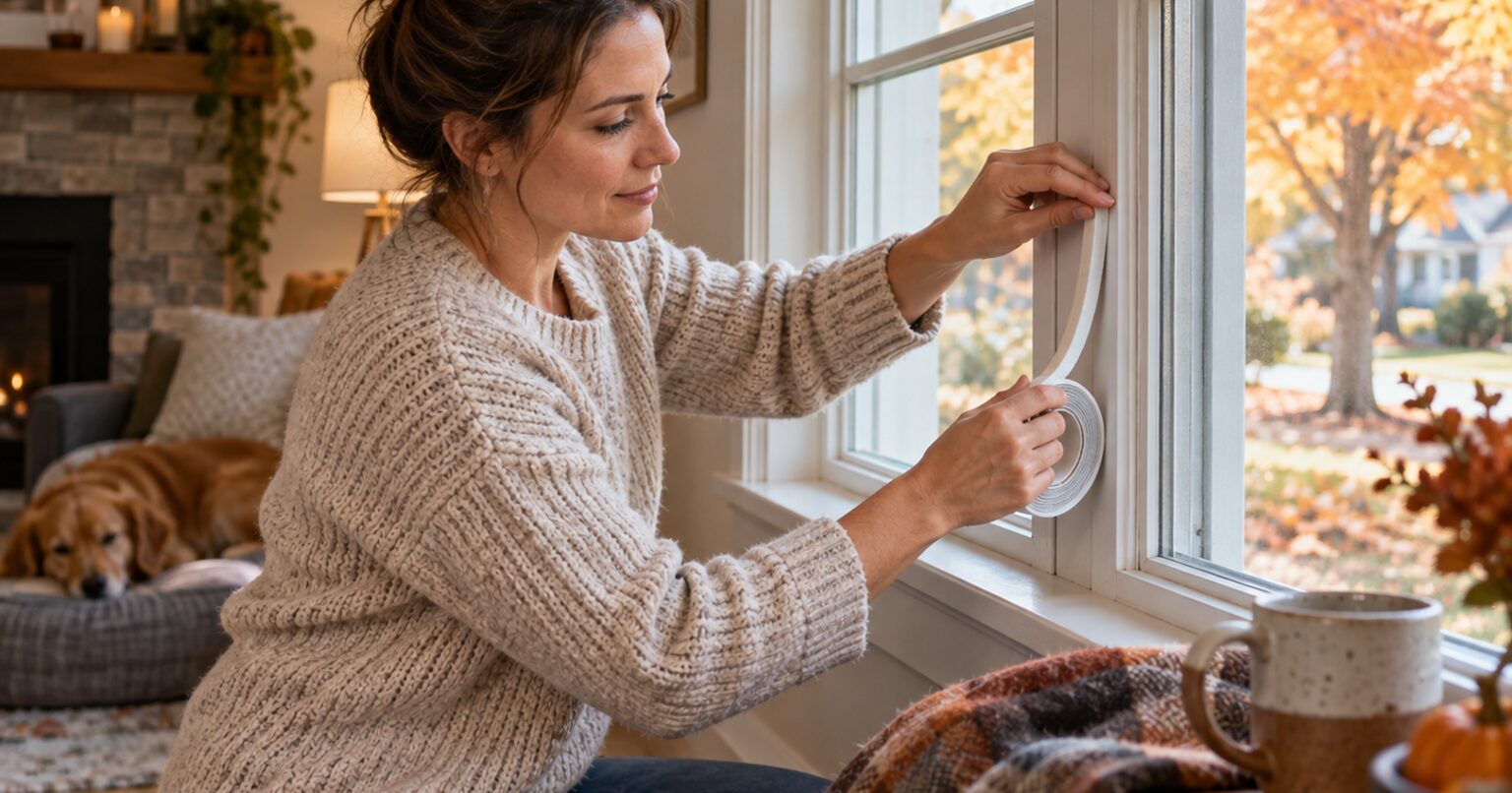
Schedule around local freeze forecasts and your equipment, not a nationwide calendar date. Observe roofs and high gutters from the ground; use a qualified service when safe access is unavailable.
Work through the checklist
- Hoses: Disconnect, drain and store them before freezing weather.
- Outdoor water: Follow the faucet/irrigation system’s winterizing procedure. Where present, close the serviceable indoor isolation valve and drain as directed.
- Drainage: Clear gutters/downspouts safely and observe discharge away from the foundation. Guards still require checks.
- Roof: Scan from the ground for new damage; arrange repair rather than climbing an icy or steep roof.
- Gaps: Seal suitable air leaks with approved materials without closing siding, masonry or window drainage openings.
- Doors: Inspect and fit compatible weatherstripping; test opening, closing and latch operation afterward.
- Heating: Replace approved filters and arrange required professional service. Treat persistent burning or gas odors as a problem, not normal startup.
- Fans: Stop the blades before reversing; use low-speed upward circulation where the model and comfort call for it.
- Alarms: Test smoke and CO alarms and check each unit’s replacement date.
- Chimney: Arrange the annual inspection and needed work before burning; follow gas/wood appliance-specific requirements.
- Freeze/flood risks: Check sump/backup status and accessible vulnerable pipes. Do not wrap an operating heat pump or add improvised weighted covers.
Progress is saved in this browser. Revised tasks start a new checklist.
Check the result and follow up
Record pending repairs and recheck drainage after rain, drafts after sealing and normal equipment operation. Ice dams also involve attic heat loss and ventilation; clean gutters alone do not resolve their cause. Use a tissue to find a draft rather than an open flame or incense near combustibles.
Sources and scope
- DOE: air sealing guide
- ENERGY STAR: attic ventilation
- DOE: heat-pump maintenance
- CSIA: annual inspections and professional cleaning
- USFA: smoke alarm placement, testing and replacement
These references support the guidance above. Source review is not a hands-on test of your home or a certification of a product. Follow the instructions for your exact model and local requirements.
Did this help?
Get more simple guides like this in your inbox.
Related reads and checklists
Check Outdoor Spigots (and Hoses)
Locate an outdoor-faucet leak, identify the model-specific repair, and winterize hoses without forcing a stuck valve.
ChecklistPool Opening Checklist
Plan a pool opening with equipment checks, water testing and chemical-label guidance, and know when to stop for qualified help.
ChecklistSpring Opening Checklist
Wake up your home from winter hibernation. A complete guide to exterior inspections, system startups, and preparing your property for the warmer months.
BlogCeiling Fan Direction
Set ceiling-fan direction for summer and winter, change it safely, and verify the airflow from below.